
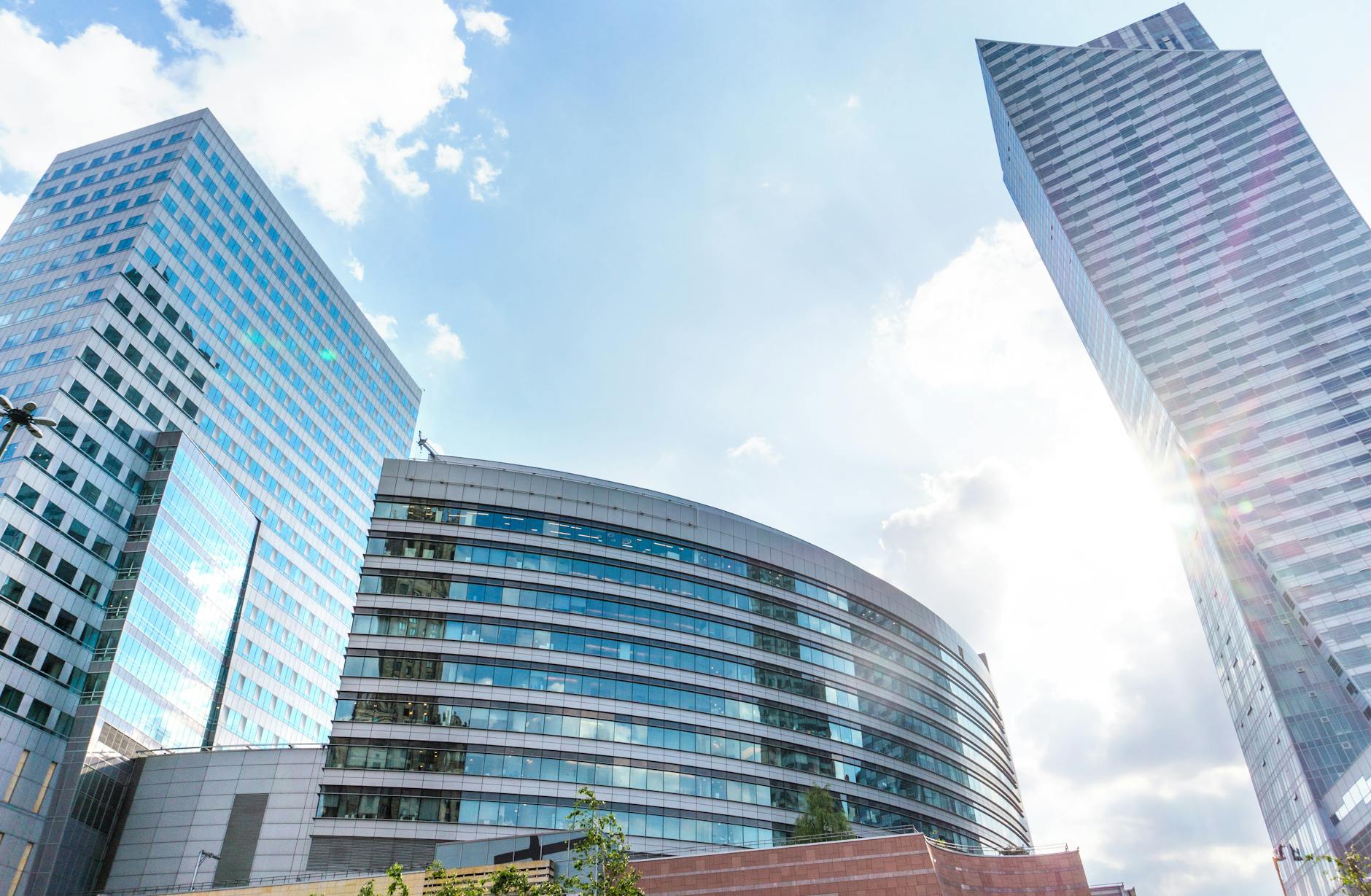

How to Optimize Sydney CBD Offices with Versatile Divider Options
Versatile Divider Types
Portable Dividers
Incorporating versatile office solutions is essential, particularly in rapidly evolving corporate spaces like those found around Sydney's CBD. Portable dividers stand out as an important tool for offices seeking flexible configurations. These privacy room dividers effectively address the need for agility within workspaces, allowing for quick adaptation to changing needs. Their lightweight and mobile nature makes them suitable for temporary setups, creating a flexible environment conducive to both focused work and collaborative discussions. The beauty of portable dividers lies in their ability to redefine space without permanent fixtures, reflecting a dynamic workplace ethos.
Acoustic Panels
Acoustic panels are gaining traction for their role in enhancing the auditory environment of an office. By integrating desk dividers panels, offices effectively address noise, one of the most common challenges in open-plan settings. These acoustic enhancements contribute to a more serene workspace, promoting concentration and reducing distractions. In addition to absorption capabilities, they often feature modern aesthetics, aligning with the sophisticated designs seen in meeting spaces at Barangaroo.
Modular Walls
Modular walls offer a sophisticated blend of functionality and design, serving as a robust solution for creating customizable office environments. Available as office partition panels for sale, they provide the flexibility to reshape spaces with ease. Modular systems are ideal for accommodating growth, as they can be expanded or reconfigured in line with changing team dynamics. They complement the aspirations for innovative workspace solutions seen in North Sydney business district offices, ensuring that office layouts remain both efficient and visually appealing.
Enhancing Privacy
Personalized Configurations
In the bustling atmosphere of the corporate offices around Sydney's CBD, finding efficient ways to maintain privacy is critical. One effective strategy is employing personalised configurations of room dividers. For example, using a flexible room divider screen allows you to adapt to different meeting dynamics and privacy needs, tailoring spaces to suit various business functions at any given time.
Soundproofing Options
Soundproofing is another significant consideration for enhancing privacy in office environments. Acoustic panels or strategically positioned partitions can dramatically reduce noise pollution, which is crucial in shared office settings. Walking through the meeting spaces at Barangaroo, you'll notice how effectively soundproofing has been integrated, creating a seamless transition between collaboration zones and quiet workspaces. It's about crafting an environment where important conversations can happen undisturbed.
Visual Privacy Solutions
Visual privacy is just as essential as soundproofing. To create a more secluded space, consider installing an office divider screen or even a pony wall divider, which can subtly block off sightlines without completely isolating teams. Such solutions encourage focus and minimise distractions, allowing for more efficient work processes. Integrating these systems into the workspace layout supports both individual concentration and collaborative efforts.
Improving Workflow
Flexible Layouts
In today's dynamic office environments, flexible layouts have become essential in enhancing workflow and productivity. A well-thought-out office design in the bustling corporate offices around Sydney's CBD can dramatically impact team collaboration and individual focus. By incorporating versatile room dividers like those provided by room dividers now, you can create adaptable spaces tailored to the evolving needs of your workforce. These dividers offer the benefit of quickly transforming open areas into private meeting spaces, similar to what's seen at Barangaroo's meeting areas.
Quick Reconfiguration
When considering quick reconfiguration of office spaces, the practicality of portable room dividers cannot be overstated. For instance, deploying a room divider black not only complements the aesthetics of modern office designs but also allows for rapid changes in spatial configurations. The ability to reconfigure spaces swiftly is a notable advantage, particularly in fast-paced corporate settings where the demands of the day often require immediate adaptability. North Sydney business district’s workspace solutions have begun to exemplify these principles.
Zoning for Focus Areas
Creating specific zones within an open office can significantly boost concentration and efficiency. By strategically placing dividers, you can establish focus areas that minimize distractions, a crucial requirement in maintaining productivity. Implementing zoning strategies akin to those in well-established North Sydney offices ensures that tasks requiring deep concentration have the right environment for success. These insights into office layout design can significantly refine your approach to fostering a more productive workplace.
Design and Aesthetics
Minimalistic Styles
When it comes to creating an efficient and clutter-free office space, embracing a minimalistic style can prove beneficial. Minimalism isn't just about aesthetics; it translates to well-thought-out functionality, particularly in busy environments like those seen around Sydney's CBD. Opting for simple yet stylish office furniture panels not only frees up more space but also encourages a streamlined workflow. Clean lines and muted tones are essential elements to consider, as they can help eliminate distractions and maintain focus.
Color and Material Choices
The choice of colour and material significantly impacts the feel of your office environment. In dynamic workspaces such as those found near Barangaroo, selecting calming, neutral tones can help foster a serene and productive atmosphere. Additionally, mix materials like glass, wood, and metal to add texture without overpowering the aesthetic. Incorporating a well-placed door divider with modern materials can break up space efficiently while adding an element of sophistication.
Creative Partition Ideas
For those envisioning workspace solutions akin to those in North Sydney's business district, exploring creative partition ideas can be enlightening. Consider using bookcases, hanging plants, or art installations as dividing elements. Such features can infuse personality into the workspace while doubling as functional office design solutions. Integrate these elements with flexibility in mind, allowing the space to evolve as necessary without sacrificing style or utility.
Office Design Best Practices for Effective Spaces
Simple Installation Techniques
Achieving effective installation of office dividers is crucial for seamless integration into existing spaces. In corporate offices around [Sydney's CBD], opting for adjustable partition systems can drastically reduce installation time. This involves using materials that are lightweight yet durable, ensuring swift assembly. Additionally, choosing fixtures that accommodate minor structural variances in walls and floors can save significant time and avoid unnecessary adjustments. Engage with local experts to avoid common pitfalls during installation, which is particularly beneficial in locations like the meeting spaces at Barangaroo.
Maintenance and Longevity
Ensuring the long-term durability of office dividers means developing a proactive maintenance strategy. Frequent checks and cleaning of high-touch areas can prevent wear and damage. For instance, the workspace solutions seen in the North Sydney business district often utilise materials resistant to scratches and stains, thereby simplifying maintenance. Schedule regular inspections to address any issues promptly, keeping the partition systems functional and visually appealing. This strategy will help preserve the aesthetic value and operational efficiency of your office layout.
Maximising Space Efficiency
Space optimisation is vital in creating a productive and efficient office environment. Optimise the use of floor space by incorporating multifunctional furniture, aligning with practices observed in corporate offices around Sydney's CBD. In a similar vein, applying zoning techniques can delineate focus areas, enhancing the flow and productivity. Leverage spatial configurations that enhance natural light and facilitate air circulation, promoting both comfort and productivity. This approach ensures that your office layout is not only aesthetically pleasing but also functionally effective.